

travel guide: french polynesia
tips, tricks, and my *obsessively researched* 14 day itinerary for the ultimate vacation


In search of a last minute white elephant or hostess gift? I mentioned this incredible DIY Coffee & Cardamom Hot Chocolate mix in Monday’s issue, and in the time between then and now I have finished almost the entire mix. It’s simple, it’s delicious; throw in homemade marshmallows and it’s absolutely perfect.
It certainly seems like 2024 is on track to continue to AI explosion. One area I’m personally interested in: AI personalizing our approach to health and fitness. I’ve had a Whoop since early 2022, and while I generally liked it for fitness tracking, I occasionally found that there was almost too much other information to know what to do with. Whoop rolled out an AI coaching functionality in September, offering tips and personalized plans that take your recovery and strain data into account. My goals for 2024 include more time “in the green”, and I’m looking forward to trying out the customized recommendations to improve my fitness.
File under: things that immediately made my life better? the nooni applebutter lip mask, a holiday gift from a friend whose beauty and skincare tips are always elite. I’ve never had luck with the viral lip products (looking at you, laniage sleep mask!) to make a dent in winter dryness, but this one has already surpassed my usual go-to, the cocokind all over moisture stick.

editor’s note: my editorial calendar originally had a brand new travel guide for two weeks in Japan scheduled for December, as announced in my Paris travel guide. In prepping for that post, I had some unanticipated technical difficulties that caused a lot of the work to be unrecoverable, requiring extensive updates to what remained. In the ongoing battle against perfectionism, this required an active choice: either spend the two weeks before the holidays pulling off heroics to keep “the plan” in place, or choose a kinder, easier path. It’s just about the winter solstice, about the time when the big dark in Seattle becomes unbearable, and I start itching for sunshine and warmth. It’s the end of a long month, at the end of a very long year. And so, today’s post is an updated version of a travel guide I originally developed in 2022, free for all subscribers. My hope is that it’s a mental vacation for us both, full of warmth and ease. Without further ado:

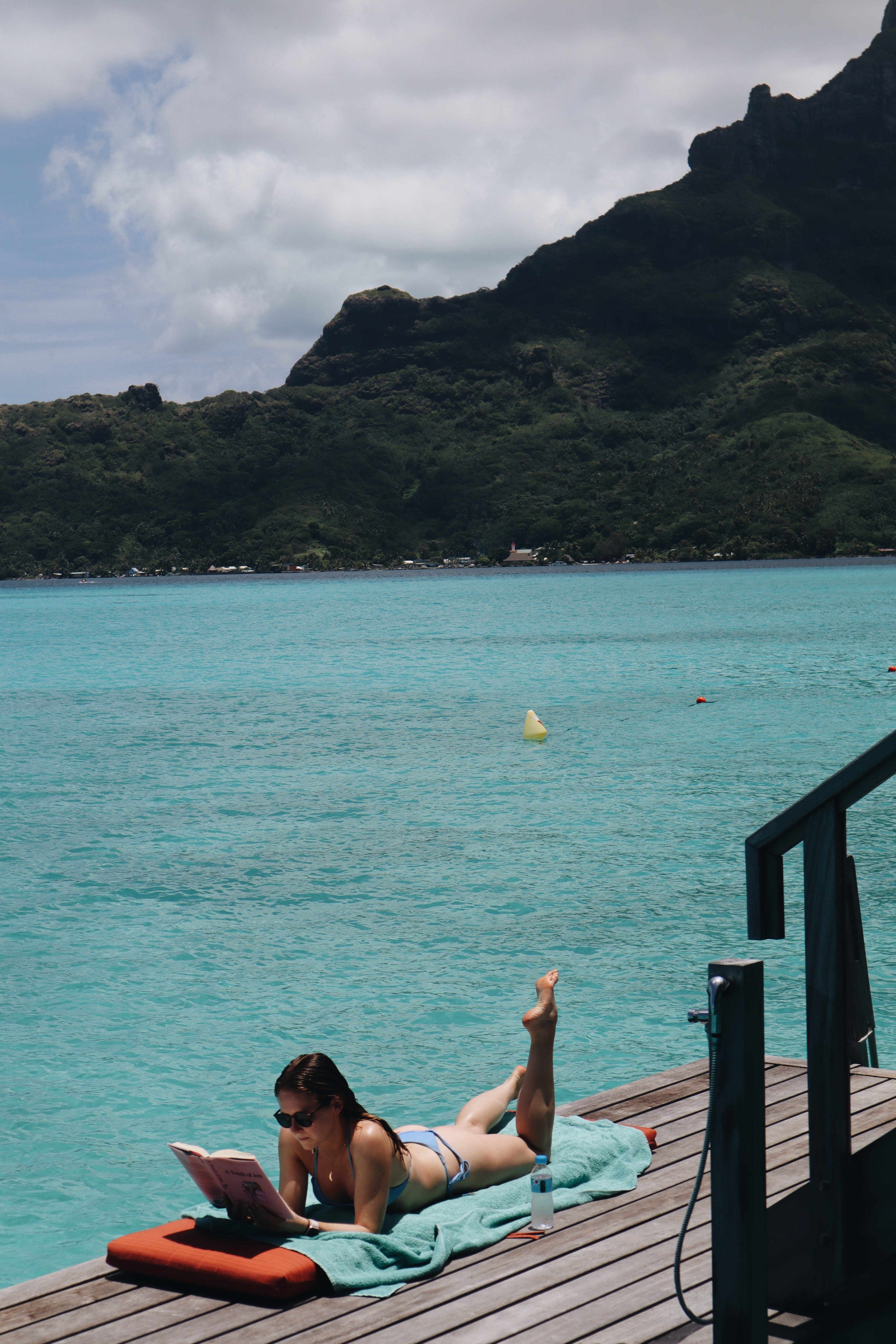
French Polynesia is one of the most breathtakingly beautiful vacation destinations featuring clear blue water, over 100 different islands, and pristine white beaches. With diverse marine life, French Polynesia offers some of the most incredible diving and snorkeling in the world. I feel extremely lucky that my husband Mark and I have traveled to French Polynesia twice – once in 2016 for our Honeymoon, and then again in 2022 for a belated celebration of our 5th wedding anniversary. The natural beauty is absolutely stunning, the food is incomparable, and the culture is warm and vibrant. Speaking from experience: you’ll be in love the second you land.

GETTING TO FRENCH POLYNESIA
One of the most common questions I have gotten about this trip is how long it takes to get there – there seems to be a common perception that it takes forever to get to, and that couldn’t be less true! Most people arrive in French Polynesia through the international airport in Papeete, Tahiti, most commonly via an ~9 hour direct flight from LAX, Seattle and SFO on Air Tahiti Nui. For non-stop, flights typically range from around $850 round trip in the off season to around $1250 during peak season - highly recommend utilizing miles or points if you can!
Once you’ve arrived in Tahiti, people usually get around from island to island via island hopper flights on Air Tahiti, and from one location to another within the islands by boat.


BEST TIME TO VISIT
June through September is widely considered to be the best time to visit French Polynesia, with moderate temperatures and very little chance of storms or rain. However, this does make it peak tourism season, meaning things will be more crowded (and more expensive!!)
We visited in August in 2016, and the weather was picture perfect the entire time. When we visited again in February of 2022 it was technically the rainy season, but there was only one afternoon it rained so much we just stayed in. Flights were definitely cheaper, and accommodations were much less crowded (although that may also have been COVID, but who knows). Most days were hot with intermittent clouds and late afternoon rain showers that never lasted long. Our pictures definitely captured that it wasn’t quite as sunny as the first time that we were there, but that it didn't put a damper on our experience at all.
WHAT TO EXPECT
LANGUAGE:
French and Tahitian are the official languages of French Polynesia, although many islands also have their own language. Most hotels and shop staff speak French and English.
CURRENCY:
The official currency is the French Pacific Franc (XFP), which is tied to the Euro. While the US dollar (and most major credit cards) is widely accepted at most hotels, rental or activities, restaurants and larger shops, on smaller islands or or more local shops you may want to have some CFP to make purchases.
As of writing, $1 USD is equal to approximately 100XPF.
PLUGS & CHARGERS:
Power plugs on the islands are types A, B, and E, with standard voltage of 110/220 V and frequency is 60/50 Hz. I would bring a universal adaptor with surge protection. Despite two different trips to French Polynesia, I haven’t encountered a converter that works with my hairdryer / hot tools reliably. My professional recommendation as a chronic over-packer: save the suitcase space and embrace the beachy waves – most hotels have hairdryers available if you feel like you really need it.
HEALTH (VACCINES, COVID GUIDELINES, ETC.):
Recommended vaccines for visiting French Polynesia include routine vaccines (chicken pox, shingles, MMR, DTP, Polio), and full vaccination against COVID-19. Additionally recommended vaccines include Hepatitis A, Hepatitis B, and Typhoid. Avoid drinking tap water, or ice not made with bottled or purified water. If you have a sensitive stomach, consider bringing along azithromycin for any traveler’s digestive distress ;)
COVID-19 Guidelines: As of the writing of this post, the COVID entry requirements for French Polynesia no longer includes testing or showing proof of vaccination. please check the link for most up-to date guidelines, and do your part to protect island communities when you travel.
SAFETY:
The islands of French Polynesia are incredibly safe, especially for female or solo travelers. Crime rates are very low, and while there are occasional petty thefts it’s not a regular concern. When possible, keep valuables in a hotel safe or other secure location while you are out and about. As the crime rate is very low, there are also not many known tourist scams to be aware of. The islands also fall under French law, for reference. Possession of even small amounts of drugs is a serious offense.
THINGS TO DO:
One of the top reasons we initially visited French Polynesia for our honeymoon in 2016 was because we wanted a combination of luxury, adventure and relaxation: to be able to scuba dive and learn to surf, but also to lounge around, enjoy the sun and eat great food. Our experience was obviously so positive we ended up going back, so we had even more time to explore what the islands had to offer. If you’re interested in planning your own trip, some of the best activities to look into are:
SCUBA DIVING:
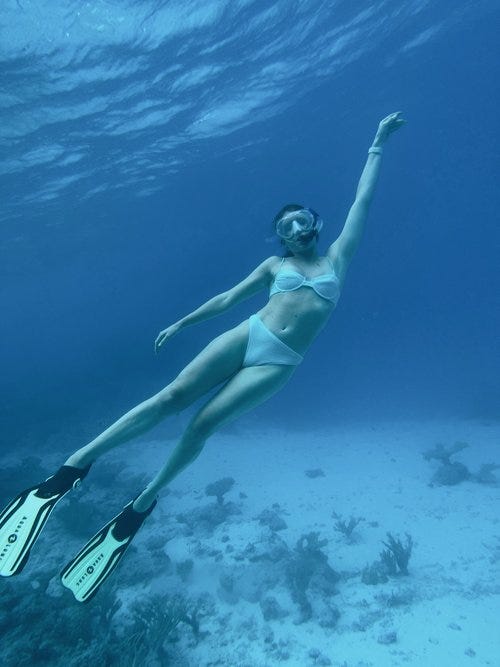
With the crystal-clear waters and diverse marine life, French Polynsia offers some of the best diving in the world. One of the best locations for diving is Rangiroa, known for its stunning coral reefs and the Tiputa Pass, a drift dive where divers can see large schools of fish, sharks, and rays. On both of our visits we went diving in Tikehau at Tuheiava Pass, which was one of the most beautiful experiences of my life - we saw huge manta rays, a blue whale, sea turtles and just incredible schools of fish.
SURFING:
The Islands of French Polynesia offer some of the best waves in the world. One of the highlights for surfing is Teahupo'o, known for its massive waves that attract professional surfers from around the world. But even if you're not an experienced surfer, there are plenty of other surf spots throughout the islands that are suitable for beginners.
LUXURY RESORTS & BEACHES:
French Polynesia is also known for its luxurious resorts and beautiful beaches, making it a top tier location for your dream vacation. Bora Bora is the most well known, with its turquoise lagoon and stunning views of Mount Otemanu. Resorts offer fantastic spa treatments, incredible views, and various cruises around the lagoon to soak up the beauty.
HISTORY AND CULTURE:
In addition to your regular vacation resort activities, I would also highly recommend embracing French Polynesian cultural experiences such as visiting traditional Polynesian villages, learning about the history of vanilla and pearl farming (two of the biggest exports!) and learning about the island's history and traditions.
CONSIDERATIONS FOR TRAVEL:
As travelers, it's important to be mindful of our impact on the places we visit. In French Polynesia, responsible tourism is becoming increasingly important, with a focus on promoting sustainable practices, protecting the environment, and supporting the local economies. The islands are vulnerable to climate change, with rising sea levels and ocean acidification threatening the health of the coral reefs and the livelihoods of the local people who depend on them.
A few things to consider when planning your trip:
support the local economy is by utilizing locally-owned and operated accommodations and tours and activities to ensure that the money spent by tourists stays within the community and benefits the local people
Prioritize the well-being of workers in the tourism industry by choosing hotels and resorts that have implemented fair labor practices. Tipping is not customary in French Polynesia (and therefore not expected), but many workers in the tourism industry depend on tips to support their families.
Protect the health of these beautiful islands by offsetting the carbon impact of your travel, choosing eco-friendly accommodations and activities, reducing waste while traveling, only bringing reef safe sunscreen, and supporting organizations that work to protect the environment in French Polynesia.


On the last day of our honeymoon in 2016 we literally looked at each other and agreed to come back for our 5th anniversary because it was like nothing and nowhere else we had ever been. At least for us, it was the perfect mix of adventure, of relaxation, and a tiny sprinkle of luxury we don’t usually opt for in our regular travels.
To be clear, there are ENDLESS ways to explore the islands of French Polynesia, but this itinerary is so nice we (mostly) did it twice.
The goal: RELAX then ADVENTURE then RELAX AGAIN. Perfect for anyone recovering from the chaos of a wedding, perhaps, but who still want an element of adventure.
for context and reference: This itinerary reflects what I would refer to as a “once in a lifetime” trip, and it’s one that (for us) required a good amount of saving and budgeting in order to make it happen. In this economy, there are certainly ways to adjust our itinerary to accommodate different budgets, utilizing points and miles for airfare, choosing off-season times to travel to take advantage of lower rates, or options for different accommodations outside of the luxury resorts.
